Costing More Than You Realise
Many quick service restaurant businesses continue operating with technology that technically “works.”
Orders still go through. Payments are processed. Service continues.
But behind the scenes, outdated or disconnected systems often create operational inefficiencies that quietly impact:
- Revenue
- Labour performance
- Service speed
- Customer satisfaction
- Scalability
The challenge is that these costs rarely appear as one obvious issue. Instead, they build up across every part of the operation and for growing QSR brands, the long-term impact can be significant.
Slow Service
In QSR, speed directly impacts revenue. when service slows down during peak periods, operators don’t just create longer queues, they risk losing sales altogether.
Outdated systems often contribute to:
- Slower transaction times
- Delayed kitchen communication
- Bottlenecks at tills
- Manual order handling
- Limited ordering capacity
The result is fewer completed transactions during busy trading periods.
Modern hospitality technology helps streamline ordering and payment flows, allowing operators to maximise throughput when demand is highest.
Manual Errors
Disconnected systems often rely heavily on manual processes.
This can lead to incorrect orders, duplicate entries, missed tickets, pricing inconsistencies and delivery mistakes.
These errors don’t just impact customer experience, they also increase, food waste, remakes, staff frustration and operational inefficiency.
Connected systems reduce manual handling and create cleaner order flow from customer to kitchen.
Missed Upsell Opportunities
Traditional ordering environments often rely on staff to suggest upgrades or add-ons during busy service periods.
In reality, this can be inconsistent.
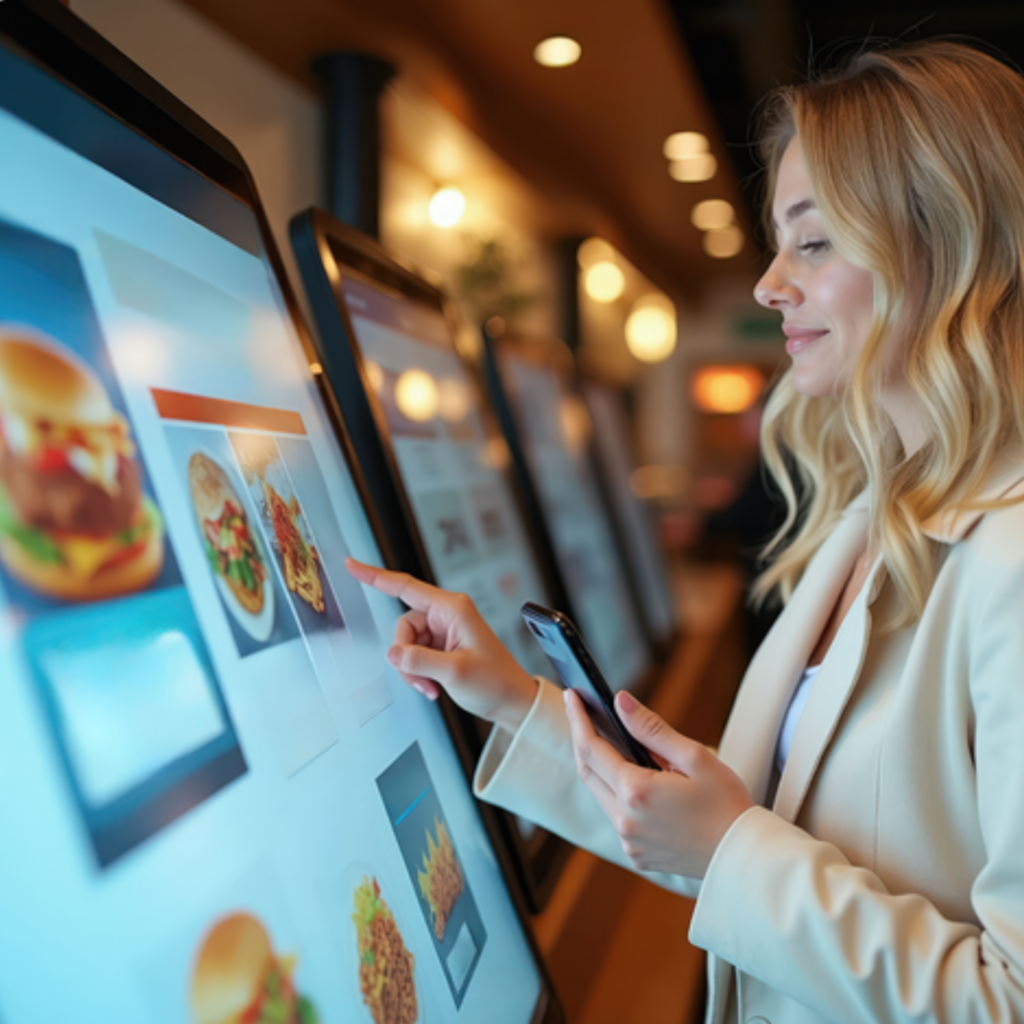
Self-service technology helps standardise upselling through:
- Automated prompts
- Meal recommendations
- Add-on suggestions
- Promotional bundles
Without these systems in place, operators may be missing valuable revenue opportunities every day.
Delivery Tablet Chaos
As delivery demand grows, many QSR operators find themselves juggling multiple third-party ordering platforms simultaneously.
Without integrated delivery management, this can create:
- Tablet overload
- Manual order entry
- Delayed prep times
- Increased errors
- Operational confusion during peak periods
Integrated ordering technology centralises delivery orders directly into EPOS and kitchen systems, helping simplify operations significantly.
Lack of Real-Time Visibility
Many outdated systems still rely on delayed or fragmented reporting.
This makes it harder for operators to:
- Monitor site performance
- Track peak trading periods
- Analyse product performance
- Compare locations
- Make fast operational decisions
Real-time reporting gives operators greater control and visibility across the business, helping improve responsiveness and profitability.
Not Able to Scale
As QSR businesses grow, disconnected systems become harder to manage.
Operators often face challenges such as:
- Inconsistent site operations
- Difficult menu management
- Complicated reporting structures
- Multiple supplier relationships
- Technology limitations
What may have worked for one site often becomes operationally unsustainable across multiple locations.
Scalable hospitality technology provides a stronger foundation for long-term growth.
QSR Operations Need Connected Technology
Today’s QSR operators need more than just a basic POS system.
They need technology that supports:
- Faster service
- Operational efficiency
- Multiple ordering channels
- Delivery management
- Real-time visibility
- Multi-site scalability
- Improved customer experiences
Disconnected systems create friction. Connected systems remove it.
See How Connected Technology Reduces Operational Friction
Kurve helps QSR operators simplify operations through connected hospitality technology designed for fast-paced environments.
From self-service kiosks and EPOS to handheld POS, kitchen display systems, delivery integrations, and real-time reporting, Kurve helps businesses improve efficiency, reduce friction, and scale with confidence.